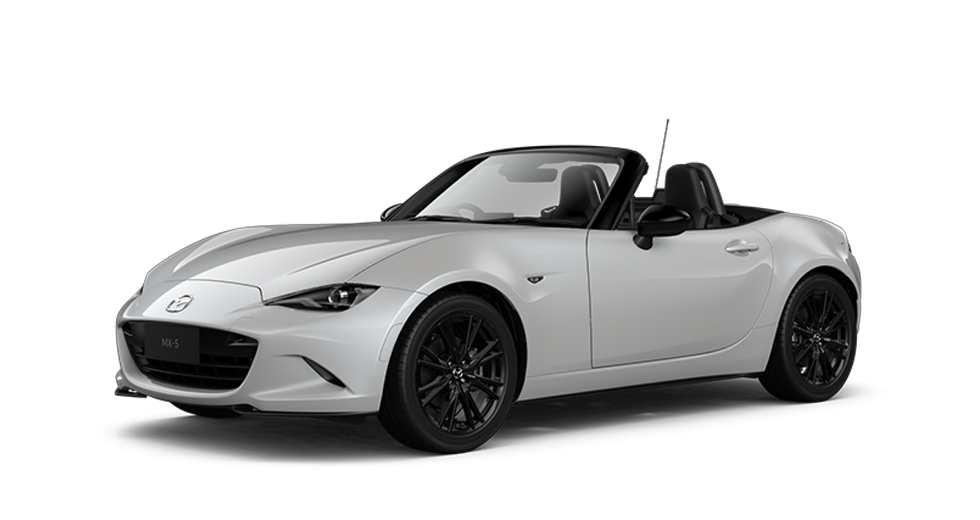
GWM's new Haval H7 plug-in hybrid lands at $49,990 drive-away, and it goes straight at the two plug-in SUVs Australians already know: the Toyota RAV4 PHEV and the BYD Sealion 6. One has the badge, one has the sales, and the newcomer has the biggest battery and the most power. Here is how they stack up on paper, using official Australian figures checked on 2 November 2026.
The numbers side by side
| GWM Haval H7 PHEV | Toyota RAV4 PHEV | BYD Sealion 6 | |
|---|---|---|---|
| Price | $49,990 to $53,990 drive-away | $58,840 to $66,340 plus on-road costs | $42,990 to $52,990 plus on-road costs |
| Grades | Lux, Vanta (both AWD) | XSE 2WD, XSE AWD, GR Sport AWD | Essential, Dynamic Extended (FWD), Premium Extended (AWD) |
| System power | 320kW, 670Nm | 201kW (2WD), 227kW (AWD) | 160kW (FWD), 253kW (AWD) |
| Battery | 33.7kWh LFP | 22.7kWh lithium-ion | 18.3kWh (Essential), 26.6kWh (Extended) |
| Claimed EV range | 137km (WLTP) | 121km 2WD, 113km AWD (WLTP); 154km and 144km (NEDC) | 92km Essential, 140km Dynamic Extended, 128km Premium Extended (NEDC) |
| Combined fuel use | 0.9L/100km | 0.7L/100km | 0.8 to 1.1L/100km |
| AC / DC charging | Not published / 30 to 80 per cent in 19 minutes | 11kW / 50kW | 6.6kW / 18kW |
| Braked towing | 1500kg | 800kg 2WD, 1500kg AWD | 750kg to 1300kg |
| Boot | 586L | Up to 655L | 425L |
| Warranty | 7 years, unlimited km; battery 8 years, unlimited km | 5 years, unlimited km; battery 8 years | 6 years or 150,000km; battery 8 years or 160,000km |
| ANCAP | Not yet rated | Not yet rated | Five stars (2024) |
| Status | In dealers now | On sale since mid 2026 | On sale |
Two things to know before you read the price row. GWM quotes the H7 drive-away, while Toyota and BYD quote before on-road costs, so the H7 is cheaper than it first looks. And the Lux PHEV's $49,990 includes a $1000 launch discount on its regular $50,990 drive-away price, which GWM says runs to 30 November 2026.
GWM Haval H7 PHEV
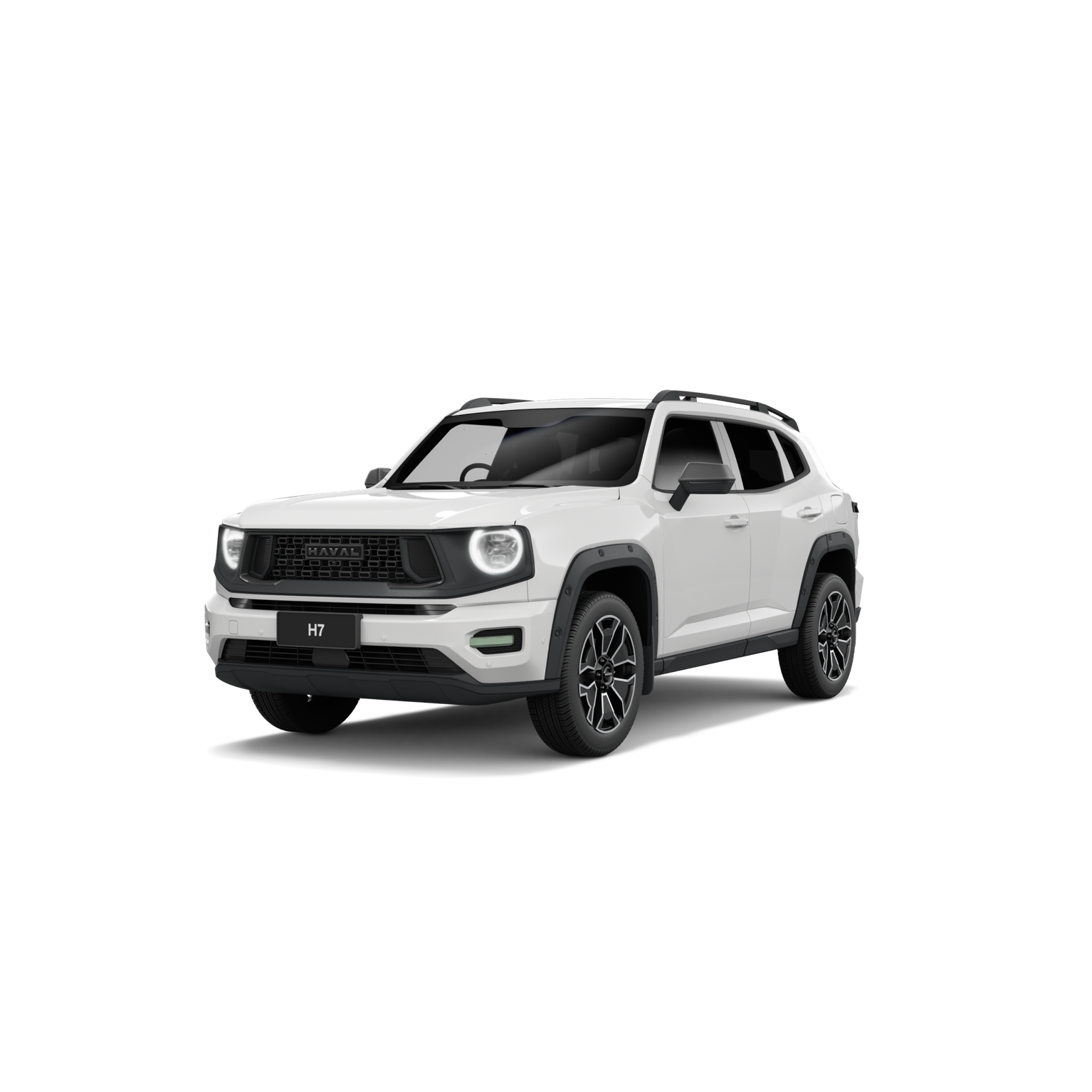
The H7 is a new generation car: boxier, all-wheel drive across the range, with a locking rear differential and a full-size spare on the tailgate. The plug-in pairs a 1.5-litre turbo petrol engine with front and rear motors for 320kW and 670Nm, and GWM claims 0 to 100km/h in 4.9 seconds. That is a lot more muscle than either rival at this money.
The 33.7kWh battery is the biggest here and backs a 137km WLTP electric range. It also has the largest boot of the three at 586 litres, 1500kg braked towing on both grades and up to 6kW of vehicle-to-load output.
The gaps are real, though. GWM has not published AC or peak DC charging rates, only a 30 to 80 per cent DC time of 19 minutes. The new-generation car has no ANCAP rating yet (the five-star result from December 2025 applies to the old front-drive H7). And at 2150kg it is the heaviest of the three. We have not driven it, so ride, refinement and real-world electric range are open questions.
Toyota RAV4 PHEV
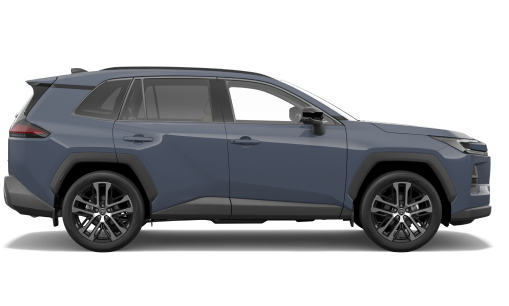
The sixth-generation RAV4 is Toyota's first plug-in hybrid in Australia and it went on sale in mid 2026. You get a 2.5-litre petrol engine with one motor (201kW, front drive) or two (227kW, AWD), a 22.7kWh battery and Toyota's best charging spec here: 11kW three-phase AC and 50kW DC.
Toyota quotes 154km (2WD) and 144km (AWD) on the NEDC cycle used for the Australian label, and 121km and 113km on WLTP. On the WLTP figures, the H7 goes further on a charge than either version.
The problem is price. The XSE 2WD starts at $58,840 plus on-road costs, the XSE AWD at $63,340 and the GR Sport at $66,340. The 2WD tows only 800kg, the RAV4 is not yet ANCAP rated (Toyota is making safety changes before testing), and the five-year warranty is the shortest here. A cheaper GXL 2WD PHEV is due in the first quarter of 2027, price not yet announced. Compare it with its petrol hybrid siblings in our RAV4 vs X-Trail vs Sportage guide.
BYD Sealion 6

The Sealion 6 is the established value pick. The current range is Essential ($42,990), Dynamic Extended ($46,990) and Premium Extended ($52,990), all before on-road costs. BYD is also offering $4000 cashback on all three for orders by 21 December 2026 and delivered by 31 December.
The Dynamic Extended is the one to look at. Its 26.6kWh battery is good for a claimed 140km, and BYD quotes 0.8L/100km combined. The catch is that BYD's range figures are NEDC, which flatters them against the H7's WLTP number. The AWD Premium Extended brings 253kW and a 5.5 second 0 to 100km/h claim, with 128km of range.
It is the only one of the three with an ANCAP rating: five stars, awarded in 2024. Against that, the 425 litre boot is the smallest here, DC charging is slow at 18kW, and towing tops out at 1300kg on the Premium Extended.
Which one should you buy
Lowest price: The Sealion 6. The Dynamic Extended at $46,990 plus on-road costs, with $4000 cashback while it runs, is the cheapest way into a long-range plug-in here. If you want AWD and power, the H7 Lux at $49,990 drive-away is the value play.
Longest EV range: The H7, on paper. Its 137km WLTP claim beats the RAV4's 121km WLTP, and the Sealion's 140km is on the softer NEDC cycle. It also has the biggest battery to work with. For more options see our cheapest plug-in hybrids guide.
Resale and dealer network: The RAV4. Toyota's dealer footprint and the RAV4's long track record in Australia are the safest bet for buyers who keep a car for years and want easy servicing anywhere. GWM has 130 dealers, but the H7 is brand new with no resale history.
Towing: The H7. It is rated to 1500kg on both grades. The RAV4 only matches it in AWD form, and the Sealion 6 tops out at 1300kg.
Cartell Assessment
Our news story on H7 pricing said the plug-in opens at $49,990 before on-road costs, about $8850 under the RAV4 PHEV. That needs correcting. The $49,990 is a drive-away launch price, so the true gap is wider: a RAV4 XSE 2WD PHEV works out to about $65,158 drive-away in Victoria, roughly $15,000 more.
On paper, the H7 is the strongest package for the money: most power, biggest battery, longest WLTP range, biggest boot and the best towing. The Sealion 6 Dynamic Extended is cheaper and has the safety rating the other two lack. The RAV4 is the one you buy for the badge, the network and the charging hardware, and you pay heavily for it.
We would want two things settled before calling the H7 a winner: an ANCAP result for the new car, and a drive to see whether 2150kg and 320kW feel as good as they read. Until then, shortlist the H7 and the Sealion 6, and make Toyota earn its premium.
Frequently asked questions
Is the Haval H7 PHEV cheaper than the RAV4 PHEV?
Yes, by a lot. The H7 Lux PHEV is $49,990 drive-away at launch, while the cheapest RAV4 PHEV is $58,840 before on-road costs, or about $65,158 drive-away in Victoria.
Which has the longest electric range?
On WLTP, the Haval H7 at 137km, ahead of the RAV4 at 121km (2WD). The Sealion 6 claims 140km, but on the NEDC cycle, so the figures are not like for like.
Do these plug-in hybrids have ANCAP ratings?
Only the BYD Sealion 6, which has five stars from 2024. The new-generation Haval H7 and the sixth-generation RAV4 had not been rated by ANCAP as of 2 November 2026.