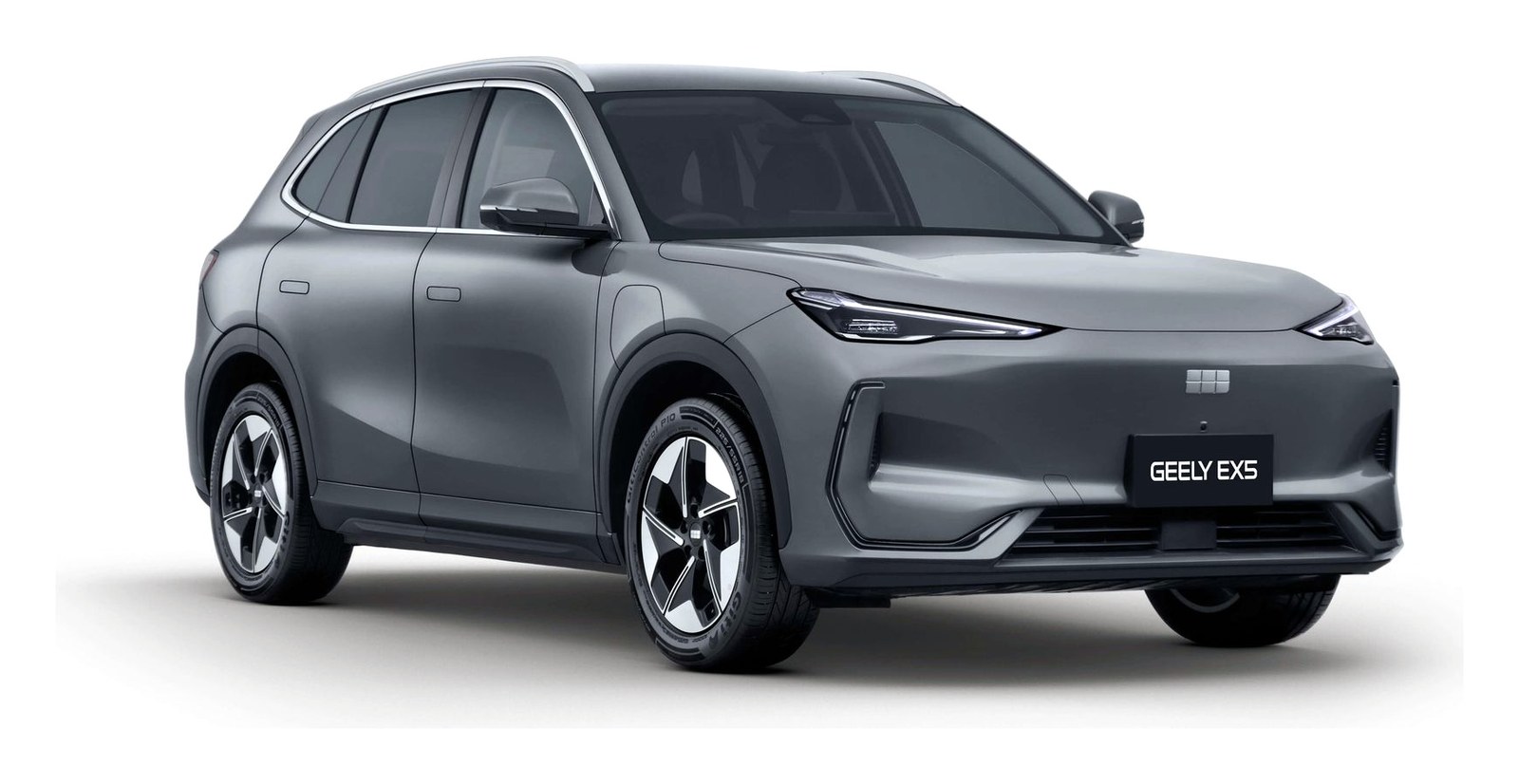
The fuel figure on a new car's windscreen sticker comes from a laboratory test. It is useful for comparing one car with another, but it is not a promise about what you will use on your own commute. The good news is that someone is now checking.
The Australian Automobile Association (AAA) runs the Real-World Testing Program, funded by the Commonwealth Government, which drives new cars on Australian roads and measures what they actually use. Every figure in this guide comes from the program's published results and its 8 October 2026 release, checked on 16 October 2026. Lab figures are the mandated results shown on the windscreen label; real-world figures are the AAA's on-road results.
The short answer
The AAA has now published results for 190 light vehicles. Of the 170 petrol, diesel and hybrid cars tested (98 petrol, 36 diesel, 36 hybrid), 130 used more fuel on the road than their label says. By fuel type that is 73 of 98 petrol cars, 26 of 36 diesels and 31 of 36 hybrids. Hybrids, the cars people buy specifically to save fuel, were the most likely to miss. The program also found 45 of those cars exceeded regulated lab limits for noxious emissions.
On the electric side, none of the 20 EVs tested matched its advertised range. The shortfalls ran from 3 per cent to 31 per cent.
The AAA's own conclusion is that there is no simple rule of thumb for turning a lab figure into a real-world one. Some cars land within a per cent or two, others miss by a third.
The latest round: Chery Tiggo 7 worst, MG ZS the only one under

Seven results landed in the October round, and six of them used more fuel on road than their sticker.
The 2025 Chery Tiggo 7 Urban had the biggest gap: 7.8L/100km on the road against a 6.9L/100km label, 13 per cent more. We covered the result in our Tiggo 7 fuel test news. The rest of the round: the MG HS Hybrid+ used 5.7 against 5.2 (9 per cent over), the 2026 Toyota HiLux 4x4 used 7.9 against 7.2 (9 per cent over), the Toyota RAV4 AWD hybrid used 4.9 against 4.6 (6 per cent over), the RAV4 FWD hybrid used 4.6 against 4.5 (2 per cent over) and the Kia K4 hatch used 7.5 against 7.4 (1 per cent over).
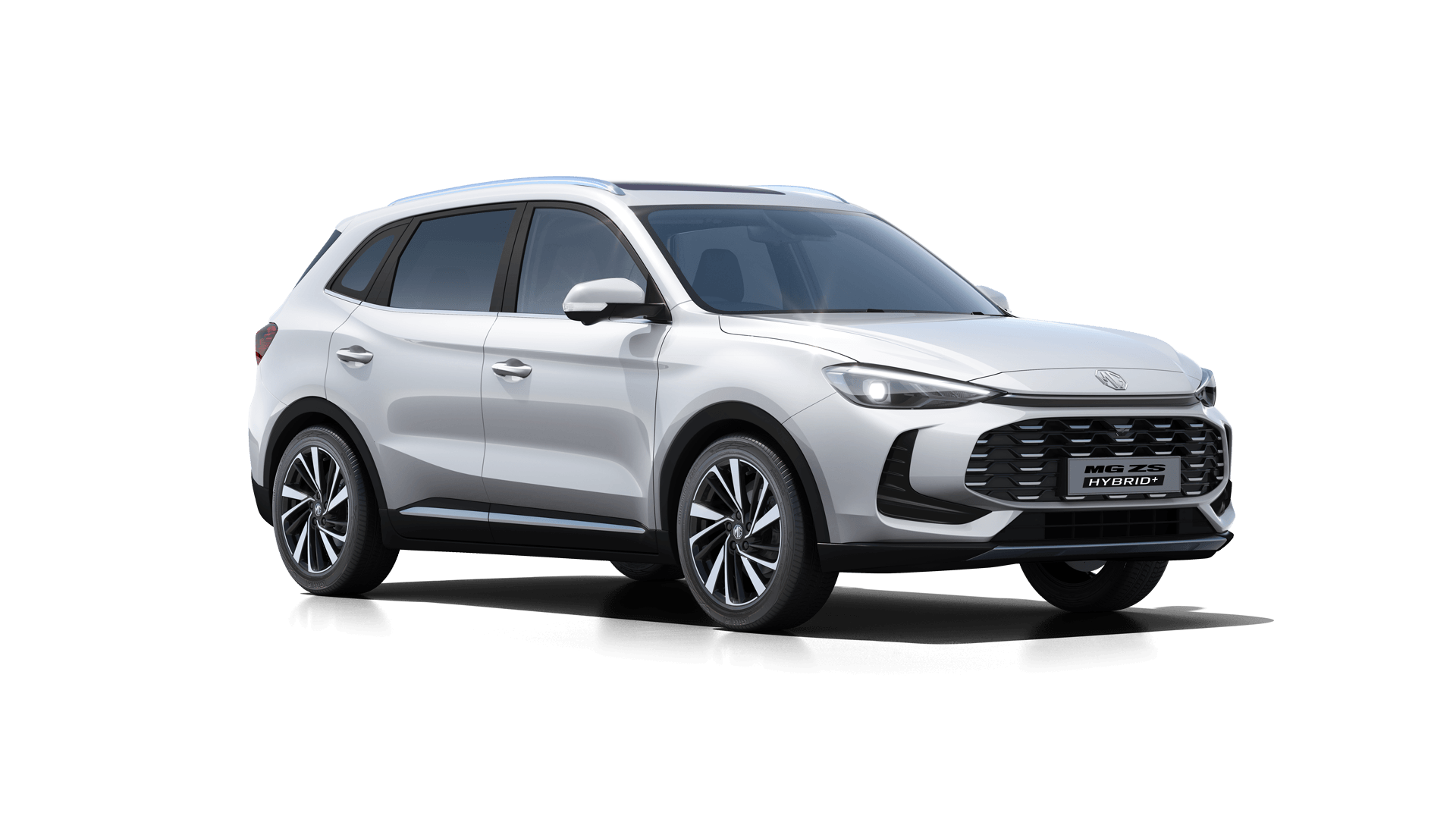
The exception was the 2026 MG ZS Vibe Turbo. It carries the same 6.9L/100km label as the Tiggo 7, but used 6.5 on the road, 6 per cent less than claimed. Same sticker, two very different fuel bills.
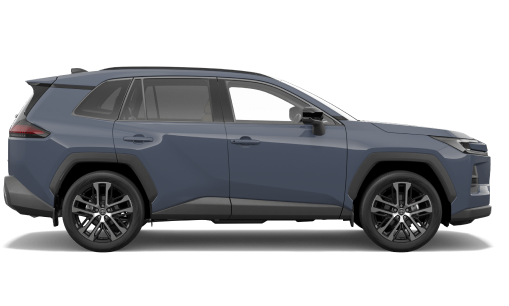
The RAV4 result matters because it was the second best-selling vehicle in the country in September. Both new-generation hybrid versions stayed within 6 per cent of the label, and the real figures (4.6 and 4.9) are still among the lowest of any SUV the AAA has tested. If you are weighing it up, our RAV4 PHEV buying guide runs the hybrid versus plug-in maths.
The biggest misses so far
Earlier rounds produced much larger gaps than this one. The worst results in the program to date:
The 2024 Mazda 2 used 6.8L/100km against a 5.0 label, 35 per cent more. The 2024 Hyundai Kona Hybrid used 5.2 against 3.9, 33 per cent more. The 2023 Chery Omoda 5 used 9.1 against 6.9, and the 2023 GWM Haval Jolion Hybrid used 6.6 against 5.0, both 32 per cent over. The 2024 Suzuki Swift Hybrid used 5.2 against 4.0, 31 per cent over.
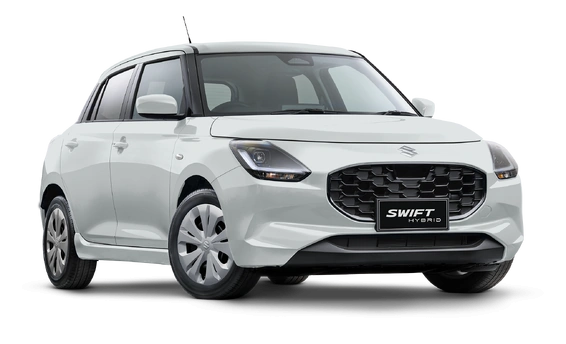
Notice how many of those are small hybrids with very low labels. A one litre miss on a 4.0L/100km car is a 25 per cent gap, so the percentages look brutal. The Swift Hybrid still used only 5.2L/100km in the real world, which is less than most of the cars on this list ever achieve. The gap is real, but it does not make the car thirsty.

The Haval Jolion Hybrid is the one to note if you are shopping budget hybrids. The newer 2025 model was tested again and still used 6.5 against a 5.1 label, 27 per cent over. That puts its real figure close to some petrol small SUVs. The 2026 Haval H6 rated at 5.2 used 6.2, 19 per cent over. Our cheapest hybrid SUVs guide lists the current prices if you want to cross-check.
Hybrids: the biggest swings, and the best results
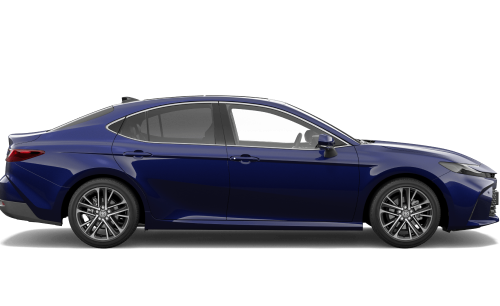
Hybrids produced both ends of the table. The 2025 Toyota Camry used 4.8 against a 4.0 label (20 per cent over), the 2024 Hyundai i30 Sedan Hybrid used 4.6 against 3.9 (17 per cent over) and the 2024 Toyota Yaris Cross used 4.5 against 4.0 (12 per cent over).
At the other end, the 2023 Toyota Corolla hybrid matched its 4.2 label exactly, the 2025 Kia Sorento HEV was 2 per cent over at 5.8 against 5.7, the 2024 Toyota Corolla Cross was 7 per cent over at 4.5 against 4.2, and the 2026 Chery Tiggo 4 Hybrid came in 1 per cent under at 5.3 against 5.4.
The lesson: hybrids still use the least fuel in the real world, but their labels are the most optimistic. Shop on the real figure where one exists. Our best hybrid cars guide covers the hatches and sedans that are not SUVs.
Plug-in hybrids are a separate case. The program's published results so far cover petrol, diesel, hybrid and battery electric cars, not plug-ins. A plug-in hybrid's real fuel use depends mostly on how often you charge it: plug in every night and short trips can use almost no petrol, never plug in and you are carrying a heavy battery around for nothing. Our cheapest plug-in hybrids guide covers the options.
Cars that matched or beat the label
Plenty of cars held up well. The 2026 Subaru Forester rated at 6.2 used 5.5, 12 per cent under. The 2026 Mitsubishi Triton 4x2 dual cab used 7.0 against 7.5, 7 per cent under. The 2024 Lexus NX used 4.7 against 5.0, 7 per cent under. The 2024 Isuzu MU-X 4x4 matched its label exactly at 8.3, and the 2024 Nissan Patrol was within a tenth of a litre at 14.5 against 14.4.
Several big diesels also sat close to their labels. The 2026 Toyota LandCruiser 300 used 9.2 against 8.9 (4 per cent over) and the 2025 Kia Tasman 8.4 against 8.1 (4 per cent over).
Electric cars: the range on the label is a best case too
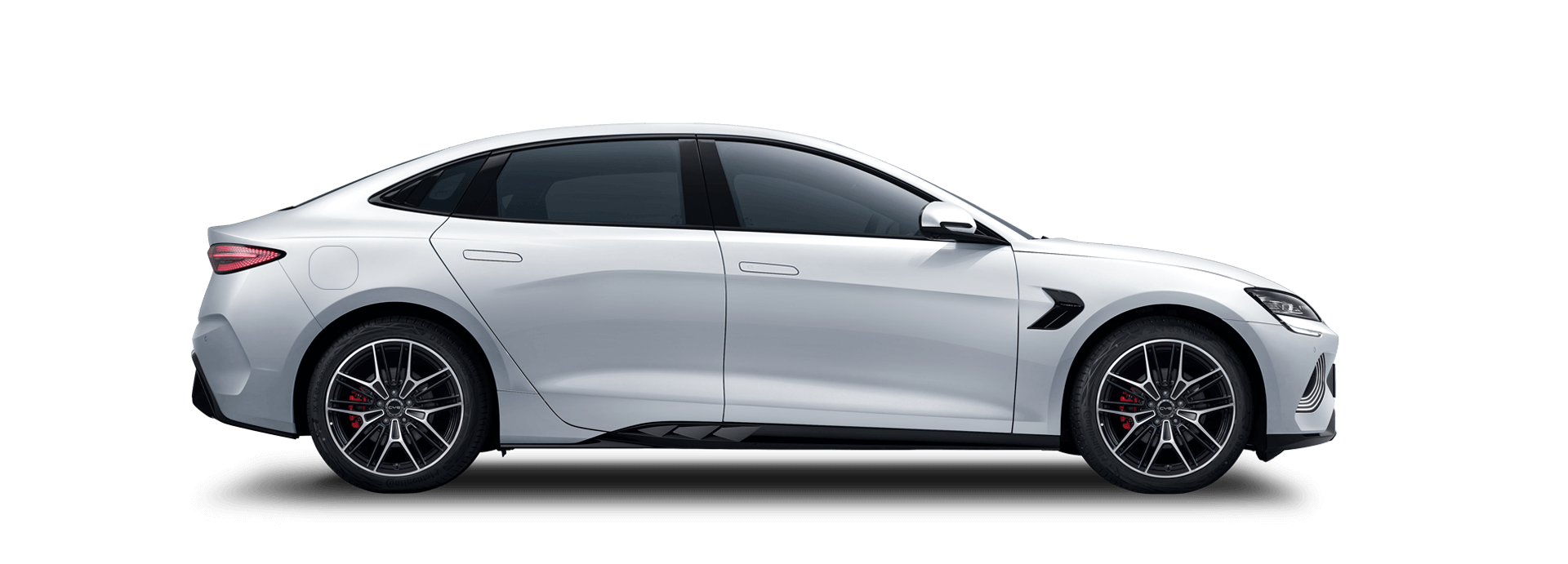
Every EV the AAA has tested fell short of its advertised range. The biggest misses: the 2023 MG4 travelled 281km against a 405km label (31 per cent short), the 2024 BYD Seal managed 488km against 650km (25 per cent short), a 2025 BYD Dolphin 313km against 410km (24 per cent short) and the 2025 BYD Atto 3 Essential 328km against 410km (20 per cent short). The 2025 BYD Sealion 7 covered 469km against 567km (17 per cent short).
The best performers: a 2025 Kia EV5 went 537km against a 555km label (3 per cent short), and the 2025 Tesla Model Y Long Range went 559km against 600km (7 per cent short), the longest real-world range the program has recorded. The 2025 Kia EV3 Air Long Range covered 537km against 604km (11 per cent short).
So when you compare EVs by range, most results so far fell between 5 and 25 per cent short of the label, and the size of the haircut varies by car. Our longest range electric cars guide ranks the label figures; read it with this table in mind.
What the gap costs you over a year
Here is the maths at 15,000km a year and an assumed $2.00 a litre (adjust for your local price):
Chery Tiggo 7: the label says 1,035 litres ($2,070). The AAA result says 1,170 litres ($2,340). That is $270 a year more than the sticker suggests.
MG ZS Vibe Turbo: the label says $2,070, the AAA result says 975 litres ($1,950). That is $120 a year less.
Mazda 2 (2024): the label says 750 litres ($1,500), the AAA result says 1,020 litres ($2,040), a $540 a year surprise on a light car.
Hyundai Kona Hybrid (2024): the label says 585 litres ($1,170), the AAA result 780 litres ($1,560), $390 a year more. It is still cheaper to fuel than the Tiggo 7 on either number.
Two cars with the same label, the Tiggo 7 and the ZS, end up $390 a year apart in the real world. Over five years of ownership that is close to $2,000.
How to use this when you shop
Use the label to compare cars tested the same way, and use the real-world figure to budget. If the car you want has an AAA result, look it up on the Real-World Testing Program site before you sign; it lists the variant, year and both figures.
Treat a low hybrid label with the most suspicion, because that is where the program found the biggest misses, but remember a hybrid that misses its label usually still beats a petrol car that hits its own.
For EVs, plan on the real-world range, not the sticker, especially if you do regular long trips or tow. Our EV vs petrol guide and hybrid vs electric explainer cover the bigger running cost picture.
Cartell verdict
The fuel label is a lab number, and three in four petrol, diesel and hybrid cars tested use more than it says. That does not make the label useless; it makes it a starting point. The cars to watch are small hybrids with very low claims and some Chinese-brand SUVs, where several of the widest gaps sit. The cars that earn trust are the ones that land on or under their sticker in independent testing, like the MG ZS turbo, the latest Forester and Triton, and the new RAV4 hybrid. Check the real number, then do the maths on your own kilometres.